
ARUGULA
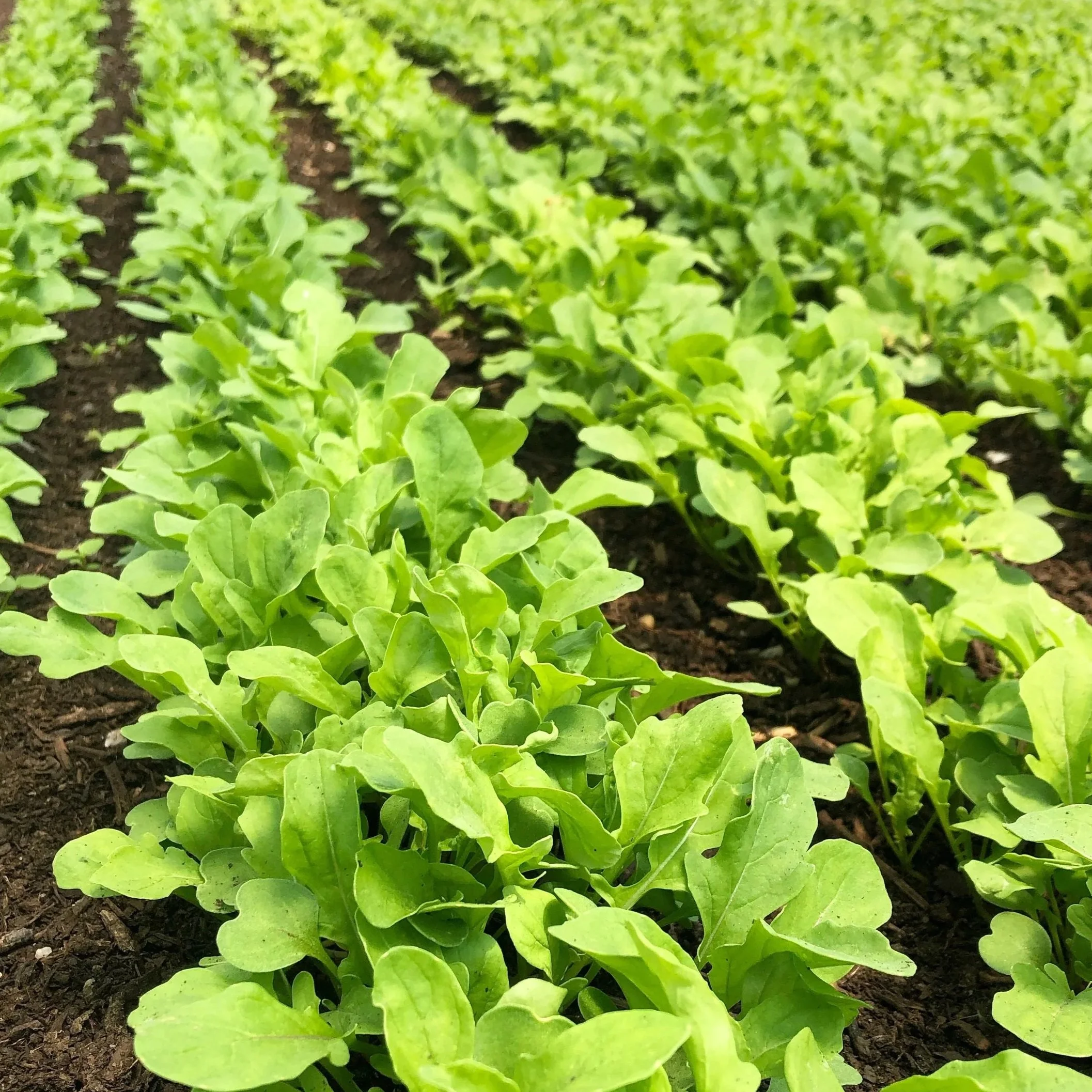
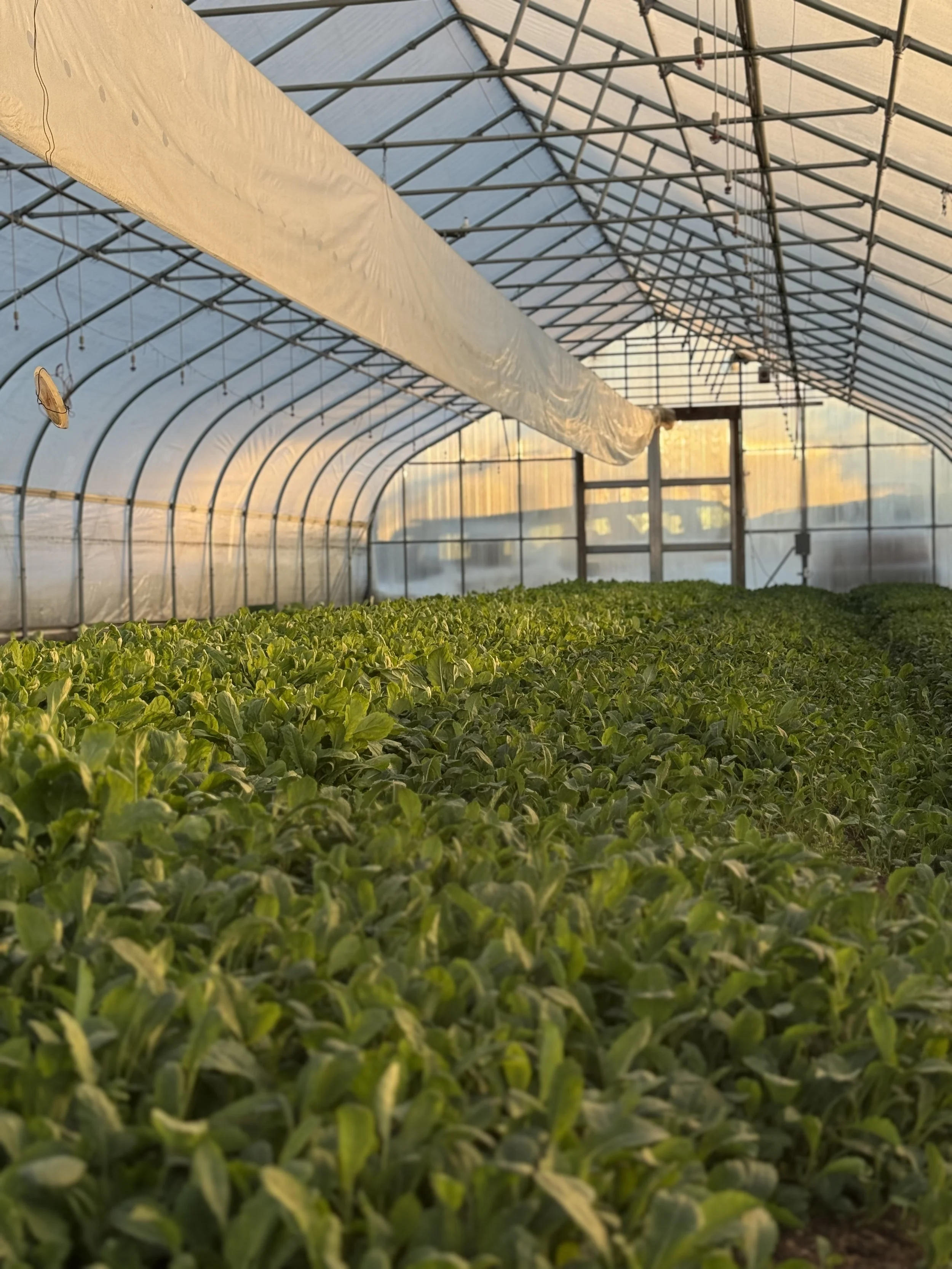
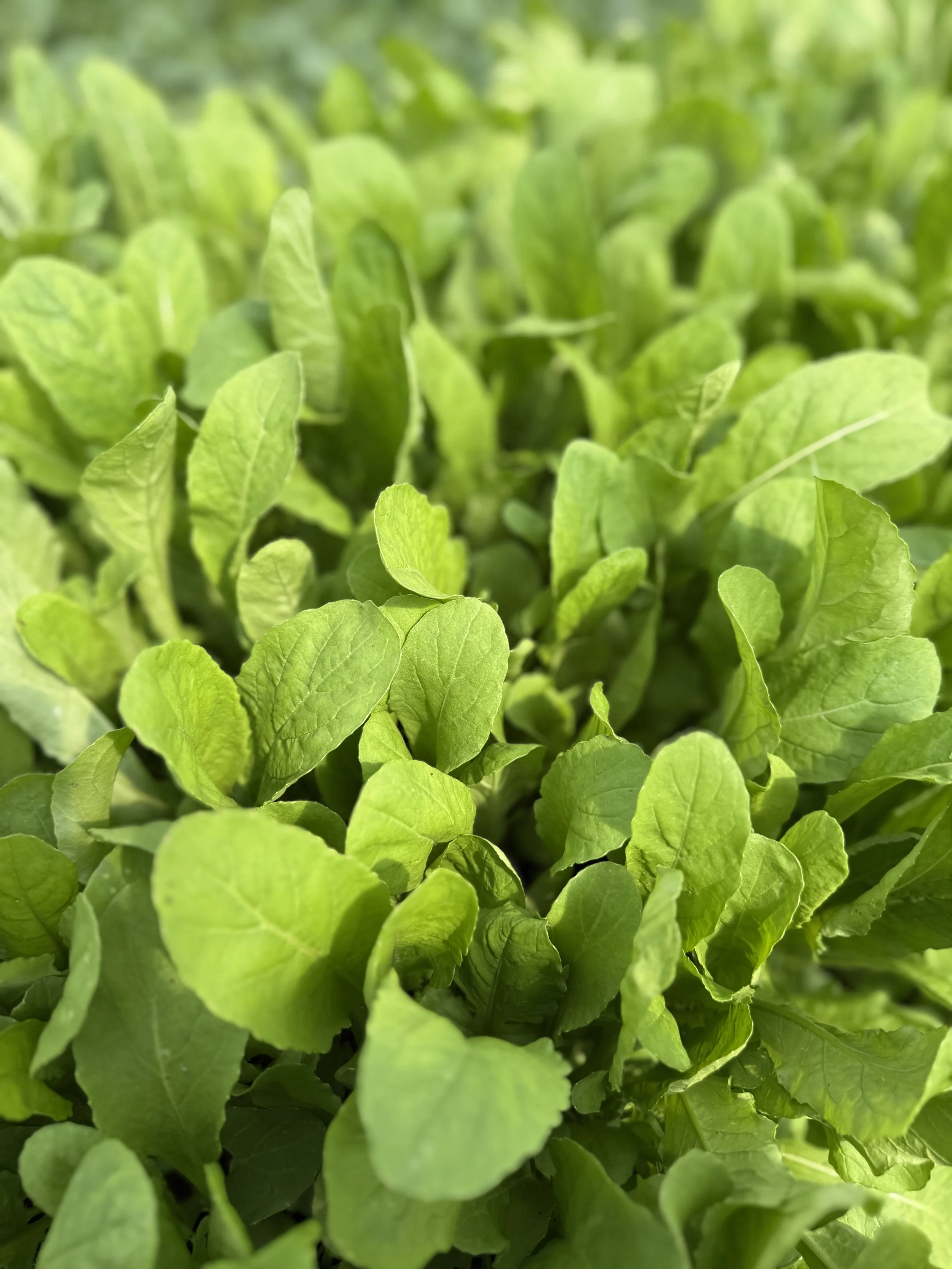
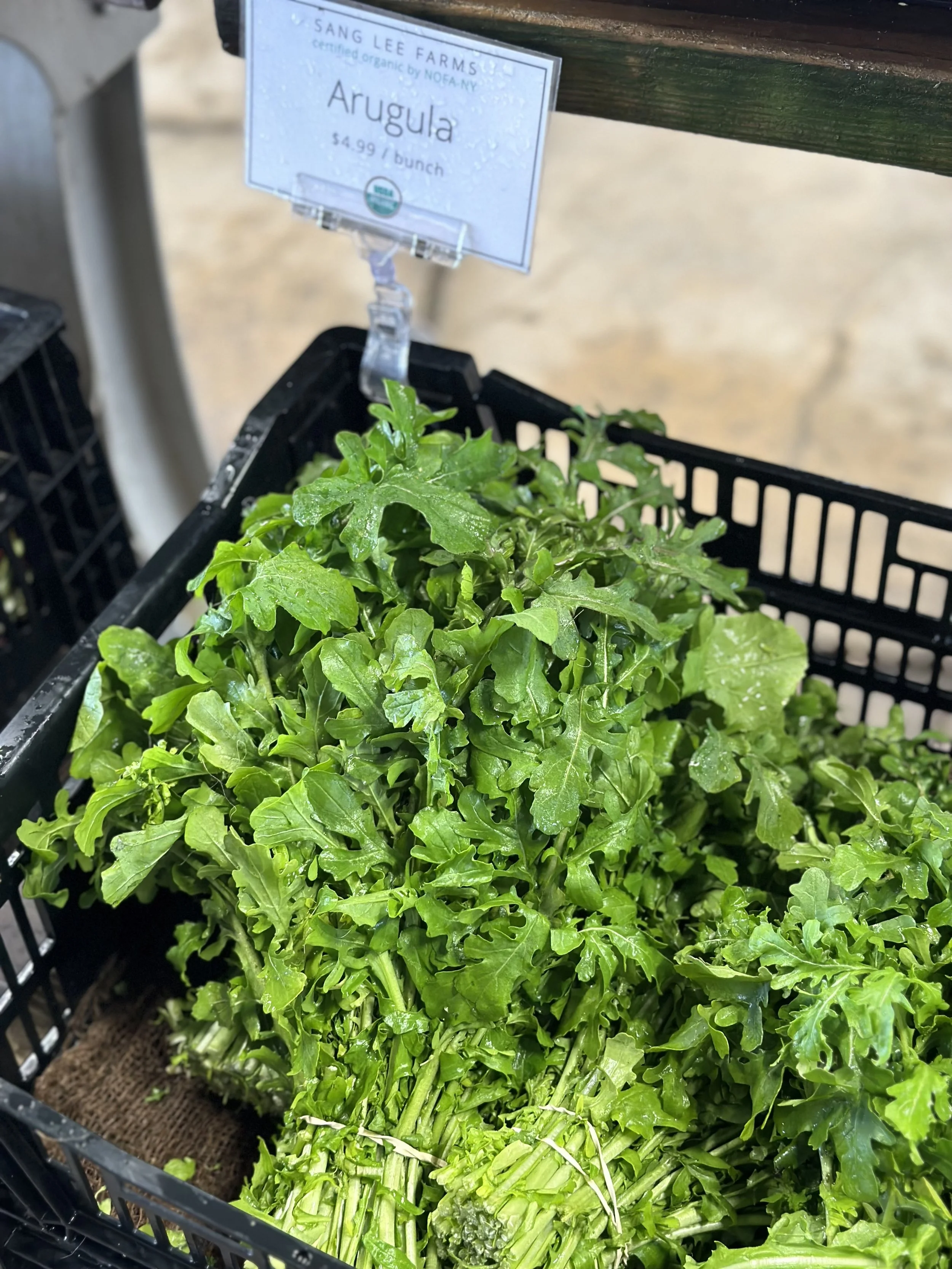
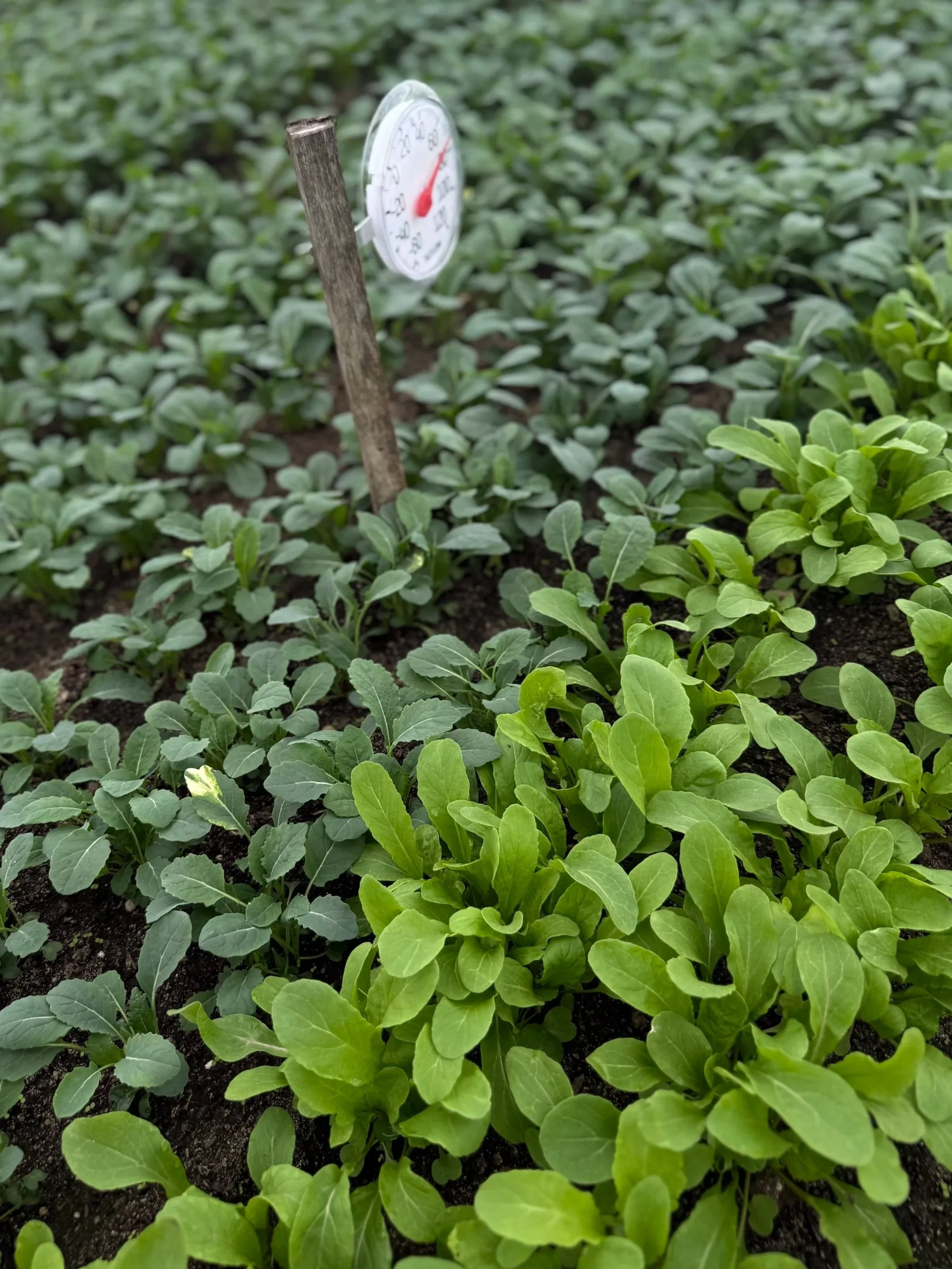
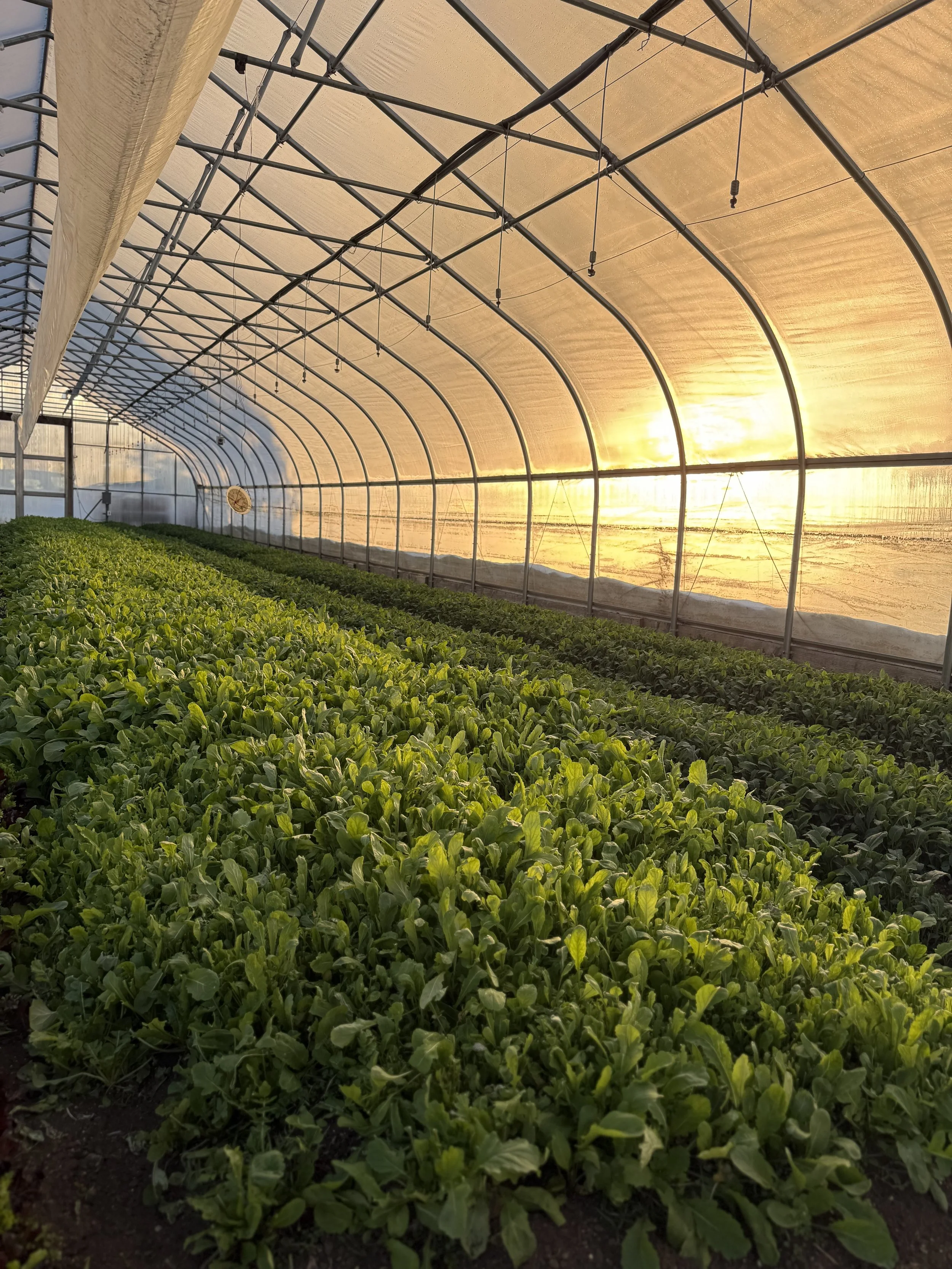
Arugula (Eruca vesicaria sativa) is actually an herb in the Mustard family! With cooler weather comes cooler soils, which means our Arugula is milder. As the season goes on and the soils heat up, the leaves of this crop become increasingly peppery! Native to the Mediterranean, it has been grown since at least the Roman times, and it known by many names including rocket and Italian cress. This leafy green became popular in the States in the 90s, and you can now find it at most farm stands and farmer’s markets.
In season: Late March to December
Nutritional value: Arugula is high in vitamins B, C, A, and K, as well as other minerals such as calcium, potassium, magnesium, phosphorus, zinc, and iron. It also contains a boat load of phytonutrients such as isothiocyanates and carotenoids, yet it's lower in oxalic acid than spinach, and other greens (which makes it a great leafy green alternative if you’re prone to kidney stones)!
Storage tips: Arugula stores best unwashed in a sealed container or plastic bag. Arugula is a more fragile green, so we recommend using it within a couple days of purchasing. As with our other leafy greens, the crisper drawer of your refrigerator is your friend! While we don’t recommend freezing it, you can preserve it in olive oil — which you can learn how to do here!
Culinary uses: Arugula can appear in more dishes than you think! It pairs great with meats and seafood, can be incorporated into gazpacho or your favorite harissa recipe, made into pesto (as we do in our kitchen!), and can even be included in soups and stews, or added to stir fry! We also love it in pasta dishes. If you’re feeling unsure about how to use it, make an Arugula salad!